
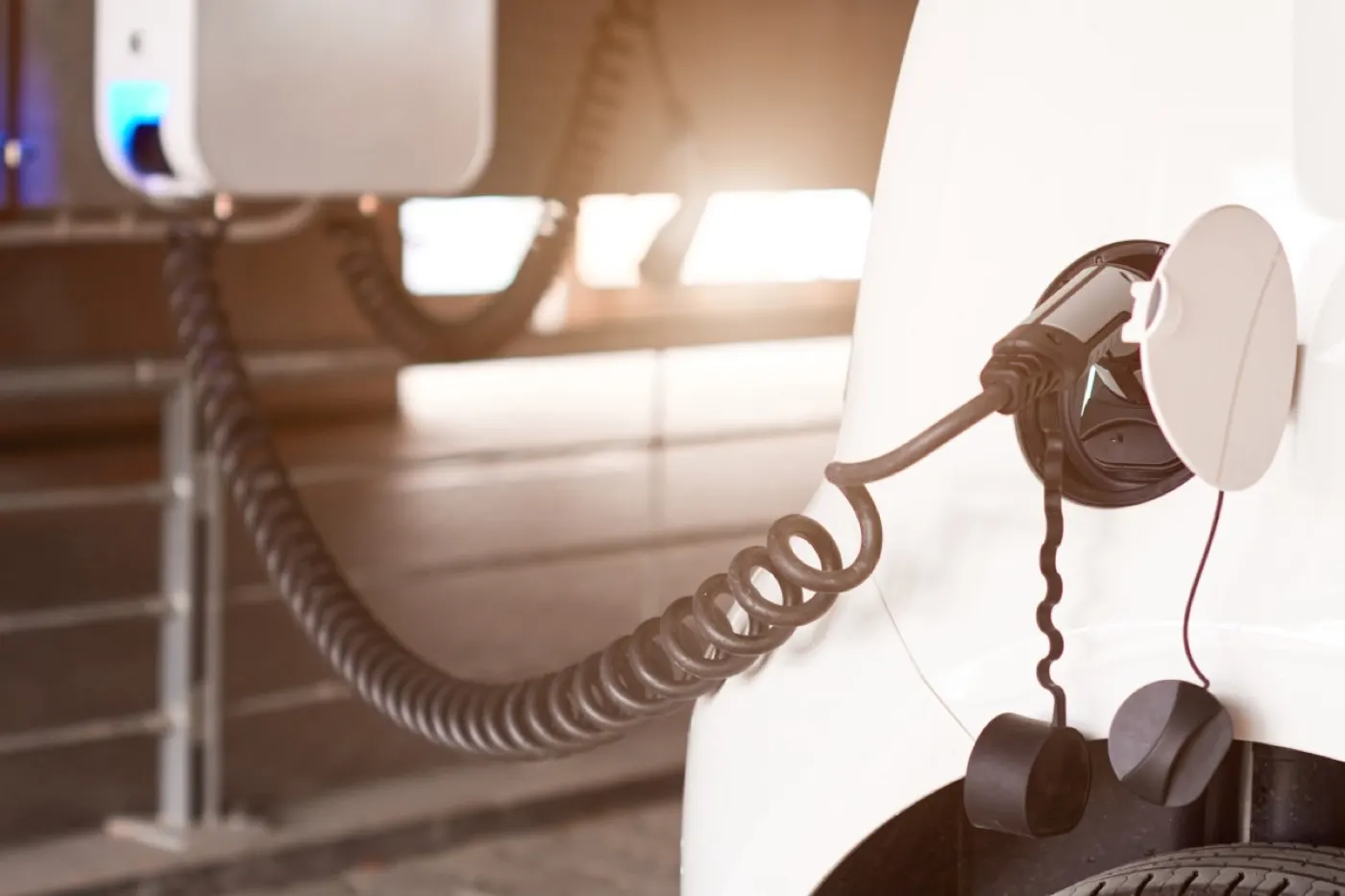
Electric cars are becoming more common because they are cleaner and better for the environment.
But many people worry about how long it takes to charge them.
Thankfully, fast charging stations help reduce that wait.
So, how long does it take to charge an electric car at a fast charging station?
Let’s check out how charging works and what affects the time can make people feel more comfortable about driving an electric car.
Factors That Influence Charging Time
Before we get into the details, let’s look at what affects how long it takes to charge an electric car.
Things like the car's brand and model, the battery size, and the type of charging station you use all matter.
For a clearer picture of how these things work, check out how we can help you find the right charging options.
For now, let’s first break these factors down to keep it simple.
- Battery Size
Each electric car has a battery that holds the power needed to run the car.
The size of the battery affects how long it takes to charge.
Bigger batteries take more time to charge than smaller ones.
Electric car batteries are measured in kilowatt-hours (kWh).
The more kWh a battery has, the longer it takes to charge.
So, a car with a larger battery will need more time to reach a full charge.
- State of Charge
How full or empty your battery is when you start charging affects the time it takes.
If your battery is nearly empty, it will need more time to charge.
As the battery gets close to being full, fast chargers might slow down, so topping up a nearly full battery could take longer.
Many drivers use fast chargers to get their battery to about 80% because it’s quicker to reach that level.
- Charging Speed
Fast charging stations come in different power levels, from 50 kW to 350 kW.
The higher the power level, the faster the charge.
A 50 kW charger can add around 160 kilometres of range in 30 minutes, while a 350 kW charger can add up to 480 kilometres in the same time, depending on your car’s battery.
Some cars might not use the full power of high-speed chargers because their systems limit how much power they can take in.
So, even if you use a 350 kW charger, your car might only use 150 kW.
This doesn’t mean the charger is broken, it’s just how your car is set up.
- Weather Conditions
Weather can impact how quickly your car charges.
Cold weather can make the battery take longer to charge because the battery works less efficiently when it's too cold.
Similarly, very hot weather can also slow down the charging process.
Batteries perform best in mild temperatures, so extreme heat or cold can affect charging times.
Some electric cars have systems to help manage the battery temperature, but it’s still important to remember this, especially during the winter months.
How Fast Charging Works
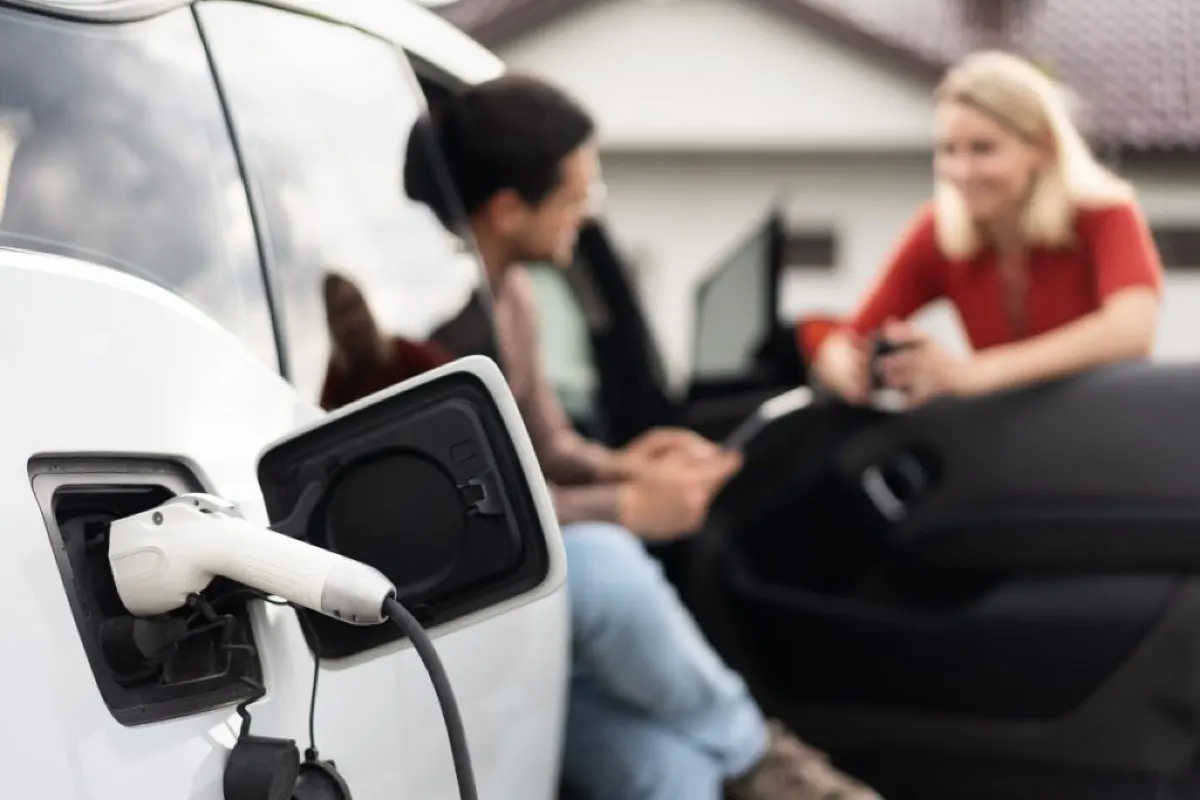
Fast charging stations use direct current (DC) to quickly give power to your car’s battery.
This is different from the alternating current (AC) used in home chargers, which is slower.
DC fast chargers send electricity directly to the battery, so it charges much faster.
To see how Glow Electric can help you with the best charging options for your needs, check out our car charging solutions.
1. Level 3 Chargers (50 kW)
These are the most common fast chargers you’ll find.
They charge many electric cars from 20% to 80% in about 30 to 60 minutes.
This makes them a good choice for getting a quick boost of power when you need it.
They’re widely available, so you’ll likely find one in many locations.
2. High-powered chargers (100-150 kW)
These chargers are not as common but are becoming more available.
They can charge an electric car from 20% to 80% in about 20 to 40 minutes.
They work faster than the more common 50 kW chargers.
As more of these chargers are installed, they make it even easier to get a quick charge when you’re on the go.
3. Ultra-Fast Chargers (350 kW)
These are the fastest chargers out there, but not all cars can use them.
If your electric car can handle these high speeds, it could be charged from 20% to 80% in just 10 to 20 minutes.
They’re great for a really quick charge when you’re in a hurry.
As more of these chargers are set up, they’ll make it even easier to get back on the road quickly.
Typical Charging Times for Popular EVs
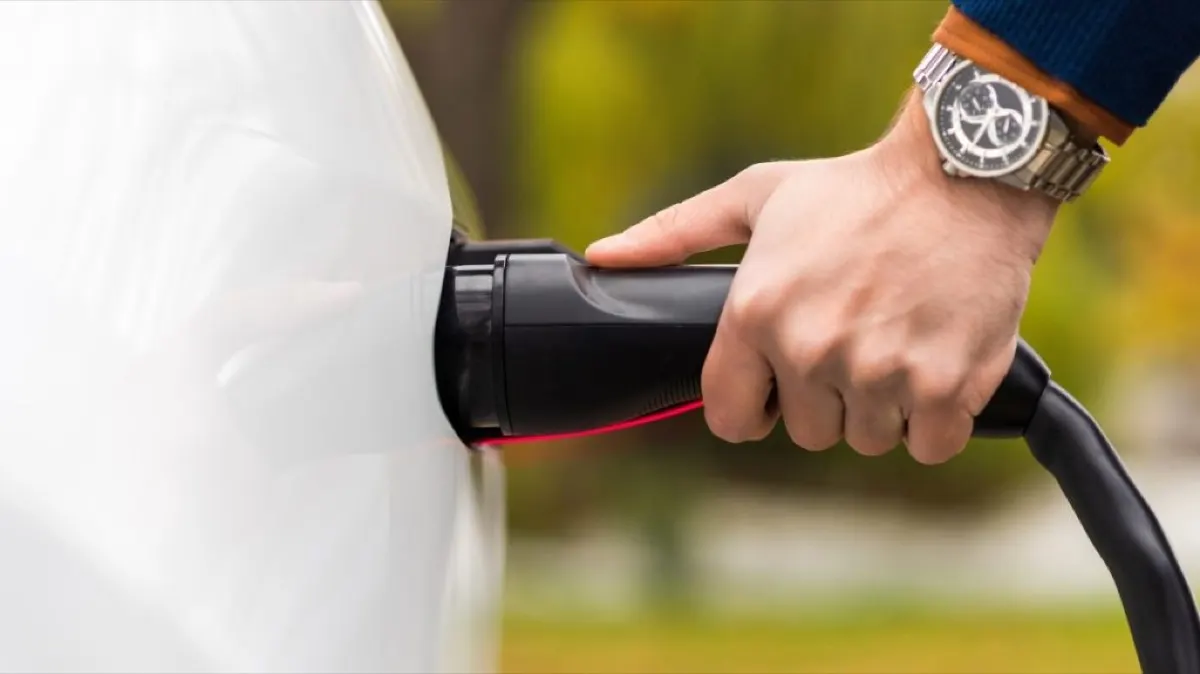
Here’s a look at how long it usually takes to charge some popular electric cars using fast chargers.
These times are for when the battery is almost empty.
Knowing these typical charging times can help you plan your trips better and make the most of your electric vehicle.
- Nissan Leaf (40 kWh battery)
With a 50 kW fast charger, it usually takes about 30 to 45 minutes to get a good charge on a Nissan Leaf.
This is a common type of charger and works well for most daily needs.
If your battery is running low, you’ll get a decent amount of driving range in this time.
It’s a practical choice for topping up your battery quickly while you’re on the go.
- Tesla Model 3 (75 kWh battery)
With a 150 kW fast charger, it takes about 20 to 30 minutes to charge a Tesla Model 3 from almost empty.
This means you can quickly add a lot of driving range to your car. It’s a great option for when you need a fast boost while you're on the move.
This fast charging makes it easier to get back on the road quickly.
- Audi e-Tron (95 kWh battery)
When using a 150 kW fast charger, it typically takes about 25 to 35 minutes to charge an Audi e-Tron.
This charger provides a strong and quick boost of power, which is great for when you need a fast recharge.
This setup is particularly useful for long trips, where getting a quick charge can help you get back on the road faster.
If you’re running low on battery while travelling, this fast charging option helps you get enough power quickly so you can continue your journey with minimal delay.
The 80% Rule
You might see that many fast chargers are set up to charge a battery up to 80%.
There’s a simple reason for this.
As the battery gets close to being full, charging slows down to keep the battery safe and prevent it from getting too hot.
The final 20% of charging can take as long as the first 80%, so it’s often quicker to stop once you hit 80%.
Most people use fast chargers to get to 80% because it’s more efficient and quicker.
This helps you get back on the road faster while still giving your car plenty of power.
Fast Charging and Battery Health
Some people worry that fast charging might harm the car’s battery over time.
It’s true that charging quickly can create more heat and might wear out the battery faster.
However, modern electric cars are built to handle fast charging.
They have battery management systems that help protect the battery and control the charging speed, especially when it’s hot.
If you can, it’s often better to use a slower charger for everyday use and save fast charging for long trips or when you’re in a hurry.
This way, you can help keep your battery healthy and lasting longer.
How long does a 50 kW charge take?
A 50 kW fast charger generally takes around 30 to 45 minutes to charge most EVs from 20% to 80%.
The time might vary depending on the car’s battery capacity and its charging capabilities.
This type of charger offers a balance between speed and availability, making it a popular choice for many drivers.
How long does it take to fast charge a car battery?
The time it takes to fast charge a car battery depends on several factors, including the charger’s power and the battery size.
Typically, fast charging can take anywhere from 20 to 45 minutes to bring the battery from 20% to 80% charge.
The exact duration will vary based on the vehicle and the specific charging station used.
Simplifying Your Charging Experience
Fast charging stations have changed how we power electric cars, making long drives and quick top-ups much simpler.
Charging times can vary based on your car, battery size, the charger’s power, and even the weather.
But with how quickly EV technology is improving, electric travel is looking brighter than ever.
Now, you can get a good charge in minutes instead of hours.
If you’re thinking about switching to an electric vehicle, keep in mind that charging times can differ.
Electric cars are the future, and with fast charging, they’re more convenient and practical than ever.