
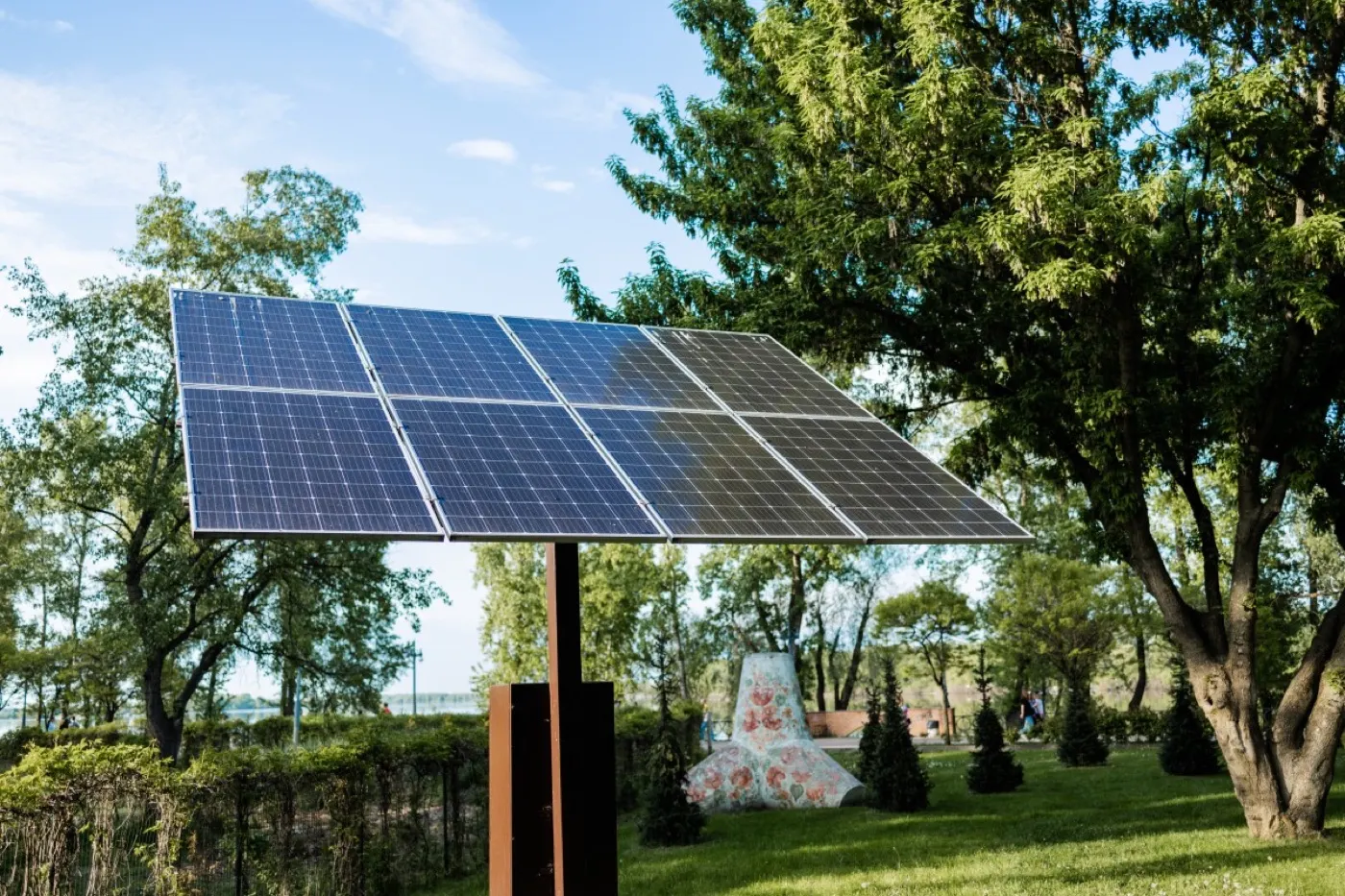
Thinking about getting solar panels? It’s a smart move for saving on your energy bills and doing something good for the environment. Figuring out how many panels you need might seem a bit confusing at first.
You don’t want to end up with too many or too few. But don’t worry, it’s pretty simple once you get the hang of it. Now, let’s break down the key points to help you figure out just how many solar panels are right for you.
Know Your Energy Usage
Experts or skilled electricians suggest starting with knowing how much energy your home uses. Review your old electricity bills to see how many kilowatt-hours (kWh) you use each month.
Your energy use can vary depending on the season, the size of your home, the number of occupants, and the appliances you have. Once you know your energy usage, you can determine how many solar panels you need.
Solar Panel Efficiency and Output
Solar panels make electricity, but how much they make can change. Panels usually create between 250 to 400 watts per hour when the sun shines directly on them. Things like shade and weather can affect how much power they produce.
Panels make more power in sunny places, but they make less when the weather is cloudy. Even if the sun isn’t strong in the UK, solar panels still work well.
Glow Electric do electrical installation services, and we know a lot about how well solar panels work and how much power they can make. If you need help understanding this, we can guide you on what to expect based on your local weather and the type of panels you have.
Calculating the Number of Panels You Need
Figuring out how many solar panels you need can seem tricky, but it’s quite straightforward. With the right information, it becomes a simple math problem. Knowing how much energy you use and how much power each panel produces will guide you in the right direction.
Let's break it down step by step so you can easily find out how many panels will keep your home running smoothly with solar power.
Step One:
First, find out how much energy your home uses each day. Look at your monthly energy use and divide it by 30 to get a daily number. If you use 900 kWh in a month, divide that by 30 to get about 30 kWh each day. This tells you how much power you need from your solar panels each day.
Step Two:
Next, check how much sunlight your location gets each day. You can estimate how many hours of good sunlight you have on average. This number can change based on your local weather and time of year.
Step Three:
Use your daily energy needs and the sunlight hours to figure out how many panels you need. Divide your daily energy needs by the hours of sunlight. Then divide that number by the power each panel can produce. The formula is,
Daily Energy Use (kWh)
Number of Panels = —---------------------------------------------------------------------
Average Sunlight Hours (h) x Power of Each Panel (kW)
This will give you the number of panels you need to meet your daily energy use.
Solar Panel Types and Sizes
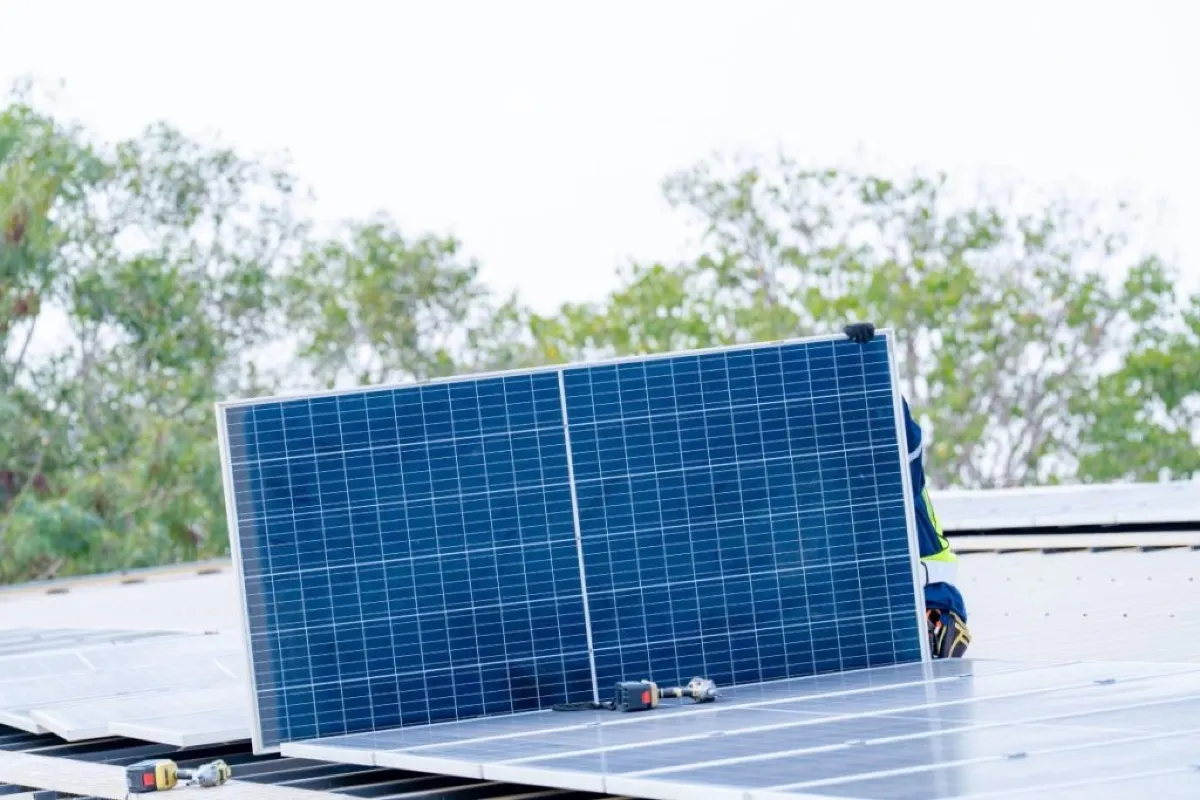
There are different kinds of solar panels, and they come in various sizes. Here’s a quick look:
Monocrystalline Panels
Monocrystalline panels are a popular choice because they are very efficient. This means they can make a lot of power from the same amount of sunlight. They are made from one single crystal structure, which helps them work better. However, they are usually more expensive than other types of panels.
Polycrystalline Panels
Polycrystalline panels are another option you can consider. They are made from multiple crystal structures, which makes them a bit less efficient than monocrystalline panels. The upside is they cost less, so they might be a good choice if you’re looking to save money while still getting good performance.
The size of the panels also matters.
- The size of the panels is important when planning your solar setup. Larger panels can generate more electricity, but they need more space.
- If your roof space is small, you might need to choose panels that are more efficient to fit your needs in the limited space. Smaller, high-efficiency panels can produce a good amount of power even if you don’t have much room.
Considering Your Roof Space
When setting up solar panels, it’s very important to look at how much space you have on your roof. The size of your roof will decide how many panels you can put up and how much energy you can make. Checking your roof space carefully helps you get the best results from your solar system.
Let’s look at the main things that affect how well your roof can hold solar panels.
- Roof Size and Shape
When it comes to installing solar panels, the size and shape of your roof matter. Panels need space, so if your roof is small or has a lot of angles, you might not be able to fit as many panels up there. It’s all about making the most of the space you have.
- Roof Weight
You also need to think about how much weight your roof can handle. Some roofs might not be strong enough to support a lot of panels. If your roof isn’t very sturdy, you might need to limit the number of panels you install.
- Roof Direction
Ideally, your roof should face south to catch the most sunlight. But don’t worry if it doesn’t solar panels can still work great and produce plenty of power. Even if your roof isn’t perfectly aligned with the sun, modern panels are designed to perform well.
How do I know if a solar panel is of good quality?
When looking for a good solar panel, there are a few things you can check.
- Brand Reputation
Choose panels from well-known and trusted brands. They often have better quality and reliability. You can read reviews or ask for recommendations to find these brands.
- Warranty
Check the warranty offered with the panels. A longer warranty usually means the manufacturer is confident in their product’s quality. Good panels often come with warranties of 10 to 25 years.
- Efficiency Rating
Look at the efficiency rating of the panel. This tells you how much sunlight the panel can convert into power. Higher efficiency means better performance and more power from the same amount of sunlight.
- Certification
Make sure the solar panels you choose have the right certifications. These certifications show that the panels have been tested and meet certain quality standards. It's a good way to know you're getting reliable panels that have passed important checks.
- Durability
When choosing solar panels, it’s important to think about how tough they are. You want panels that can handle different weather conditions, like heavy rain, strong winds, or even snow. Good quality panels are built to last and will keep working well for many years.
Battery Storage for Extra Power
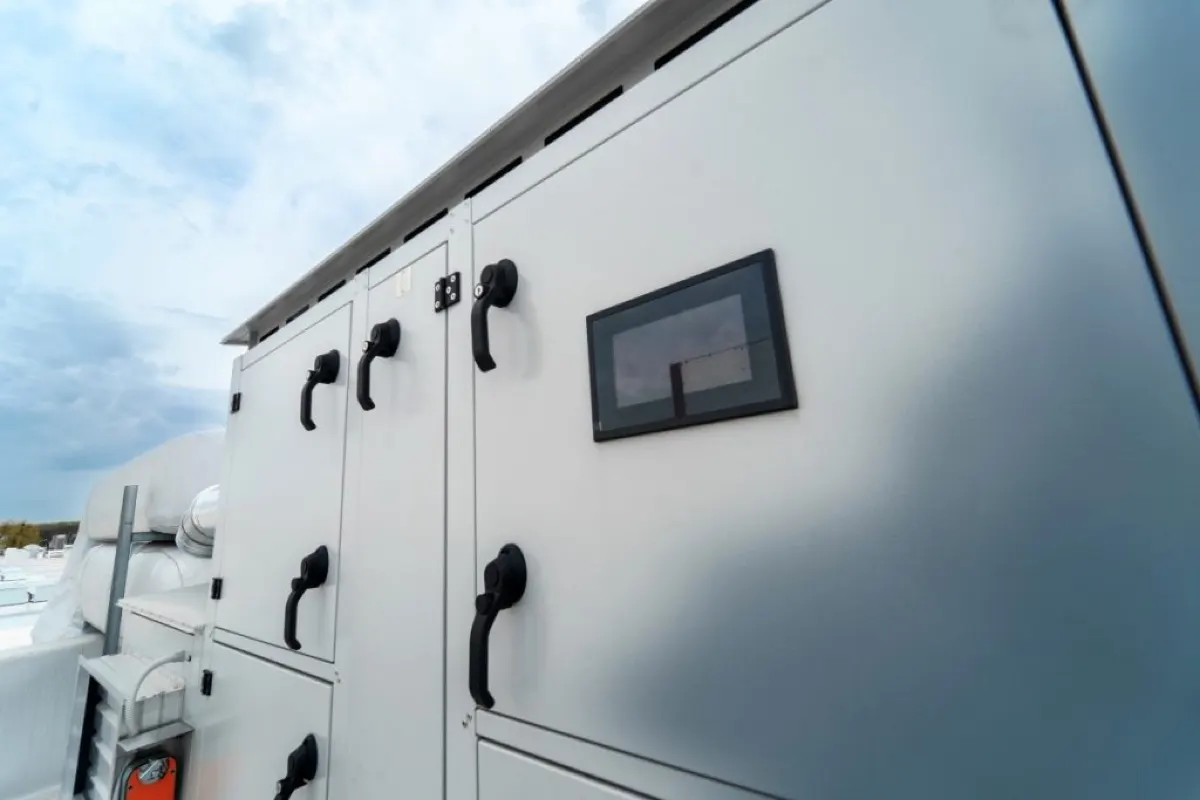
Another thing to think about is whether you want to add battery storage to your solar system.
- What Batteries Do
Batteries store extra power that your solar panels make during the day. When the sun isn’t shining, like in the evening or on cloudy days, you can use the stored power instead. This means you don’t have to rely completely on the grid when the sun is not out. Batteries make sure you have power ready whenever you need it.
- Why It’s Useful
Having a battery means you can use more of the solar power you generate. Without a battery, any extra power you make during the day goes unused. With a battery, you can use that extra power later, which helps you depend less on your regular power provider. This can be a big help if you need more energy when the sun is not shining.
- Saving Money
The more energy you store in your battery, the less you need to buy from the grid. Over time, this can lower your electricity bills. Even though batteries have a cost, they can help you save money in the long run. The savings come from using less power from your regular energy provider.
Do you need an inverter for every solar panel?
You don’t need an inverter for each solar panel. Instead, you need just one inverter for the whole system. The inverter converts the electricity from the panels into the type your home uses. Most homes use one inverter because it can manage the power from all the panels together.
This is generally more cost-effective and simpler to set up. There are different types of inverters, such as string inverters and microinverters, but you still only need one main inverter. So, one good-quality inverter will ensure your solar system works efficiently.
Starting Your Solar Adventure with Glow Electric
Investing in solar energy can save you money and help the environment. Knowing how many solar panels you need is crucial for making the most of your system.
Now that you have the steps to calculate it, you can confidently plan a setup that works for your home. Start your solar panel installation and enjoy the benefits of clean, renewable energy.
If you're ready to take the next step, talk to a solar panel expert like us. We can offer advice tailored to your home and location. Going solar is a big decision, but with the right information, you’re on the right track!