
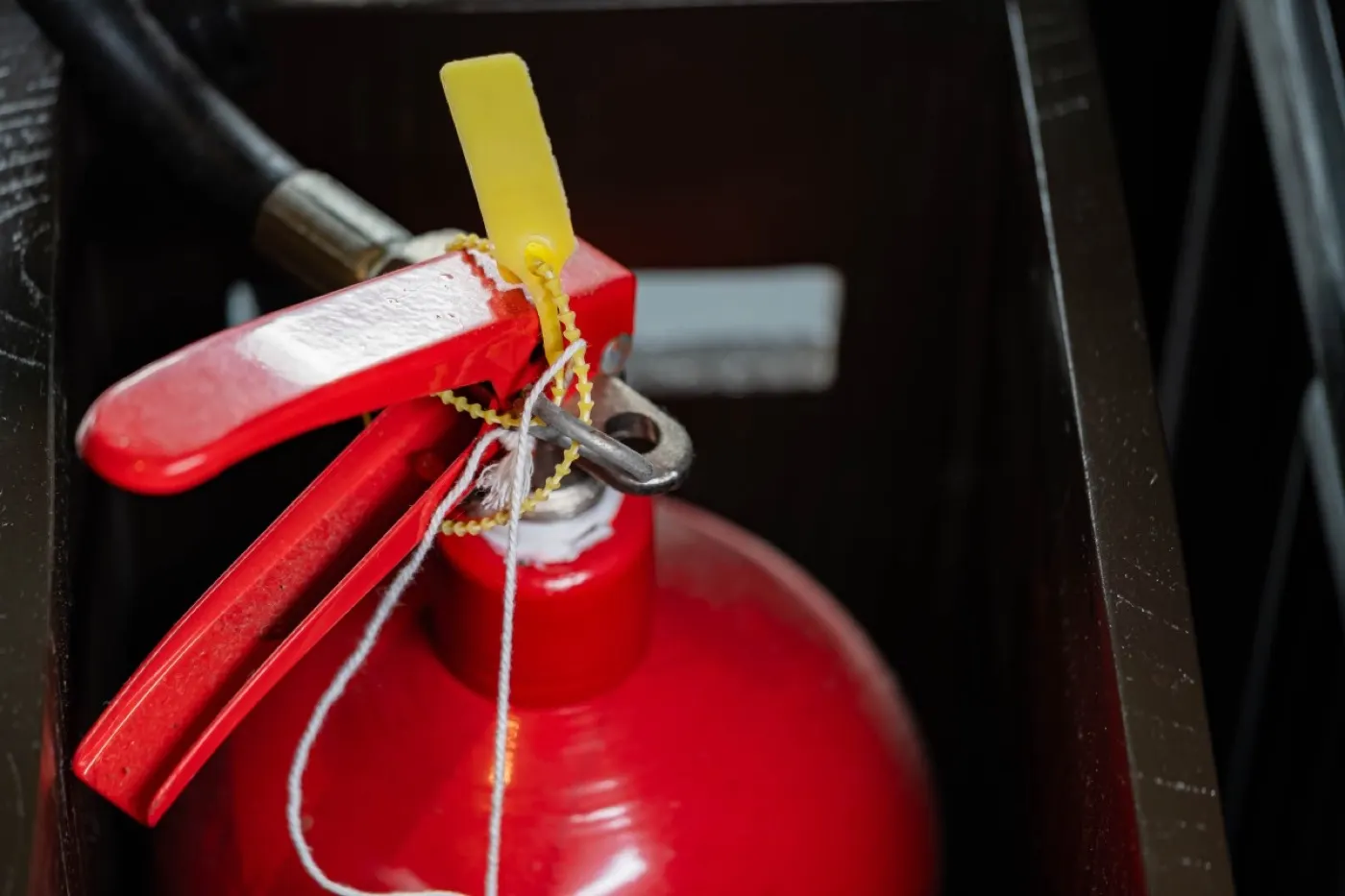
Many people know how important it is to have the right tools close by when it comes to fire safety. Fire extinguishers are key for putting out small fires before they grow. However, not all fire extinguishers work the same way. Using the wrong one can make things worse, especially with electricity involved.
Electrical fires have their risks. Live electricity means some extinguishers can conduct electricity, which can lead to dangerous situations. So, if there is a fire with live electrical equipment, knowing which fire extinguisher to use is very important.
Now, we will explore the best types of fire extinguishers for electrical fires and how to use them safely.
Fire Classes and Extinguisher Types
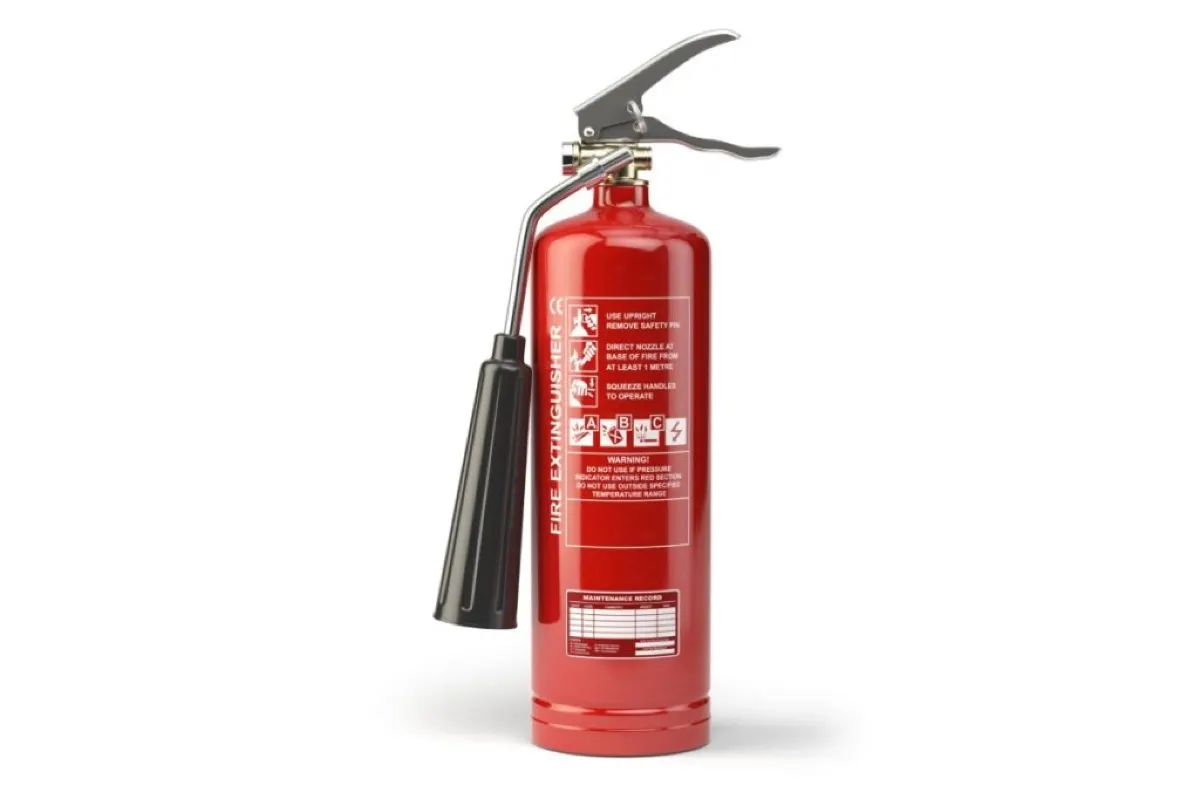
Before talking about which fire extinguishers are safe for electrical fires, it is good to know that fires are sorted into different groups. Each group is based on what is burning. Knowing these groups helps people choose the right extinguisher.
- Class A
This group includes fires that start with solid things, like wood, paper, or cloth. These fires are common in homes. If you see flames from any of these materials, you should use a Class A extinguisher.
- Class B
Fires in this group come from liquids that can catch fire, like petrol or oil. These types of fires can happen in garages or kitchens. It is important to use the right extinguisher for these fires to avoid making the situation worse.
- Class C
This group includes fires that involve gases. Gas fires can be tricky because they can spread quickly. Using the wrong extinguisher can cause more problems, so knowing this group is key for safety.
- Class D
Fires in this group involve metals, like magnesium or aluminium. These fires are less common but can be very dangerous. Special extinguishers are needed for these fires, as regular ones may not work.
- Class F
This group is for fires caused by cooking oils and fats. These fires can happen in kitchens when frying food. They need specific extinguishers because regular ones might make the fire worse.
- Electrical Fires
These fires happen when electrical equipment catches fire. They don’t have their group but are a serious risk. Knowing how to handle these fires is very important for safety.
The Dangers of Using the Wrong Fire Extinguisher
When it comes to electrical fires, using the wrong fire extinguisher can be very dangerous. Some extinguishers, like those with water or foam, can conduct electricity. This means that if someone uses these extinguishers on an electrical fire, they could get shocked.
This risk of electrocution makes it crucial to choose the right type of extinguisher. Using a water extinguisher can make an electrical fire worse. Always check your extinguishers and know what to do in case of an emergency.
Glow Electric cares for your safety. Knowing the right tools to use helps keep homes and workplaces safe. Choosing the right fire extinguisher can make all the difference when it comes to putting out a fire quickly and safely.
The Right Fire Extinguishers for Electrical Fires
Glow Electric are your dedicated partners for electrical solutions. When it comes to electrical fires, having the right fire extinguishers is very important.
There are a few types made just for electrical fires, and these are the ones to look for when dealing with live electrical equipment.
1. CO2 (Carbon Dioxide) Fire Extinguishers
CO2 extinguishers are a great choice for putting out fires with electrical equipment. They work by taking away the oxygen around the fire, which helps put it out. Since CO2 does not conduct electricity, there is no risk of getting shocked, keeping you safe during a fire. These extinguishers are also clean because CO2 leaves no mess behind.
This is important when dealing with electrical equipment, as other types, like foam or powder, can damage sensitive parts. However, when CO2 is released, it can make the air feel cold. Since the gas has no smell or colour, be careful when using it indoors to ensure safety.
2. Dry Powder Fire Extinguishers
Another popular choice for electrical fires is the dry powder extinguisher. This powder works by covering the fire and cutting off the oxygen, which helps stop the flames from spreading. Like CO2, dry powder does not conduct electricity, making it safe to use around live electrical equipment.
However, dry powder extinguishers can be a bit messy. The powder leaves a fine layer of dust that can damage sensitive equipment or make cleaning harder. Also, using dry powder in small spaces can make it hard to breathe, so it is good to be careful when using this type of extinguisher. Knowing these things helps keep you and your space safe during a fire.
3. Fire Extinguishing Sprays
Fire extinguishing sprays are becoming popular in homes and offices because they are easy to use. Many of these sprays can handle different types of fires, including electrical ones. They are light, which makes them great for quick use, and most are safe from electrical fires.
While these sprays might not be as strong as bigger extinguishers, they work well for smaller fires. It is smart to keep one nearby just in case something happens. Having a fire extinguishing spray can give you extra peace of mind and help you feel ready for any situation.
What Happens After an Electrical Fire?
After putting out an electrical fire, a few important steps need to happen. First, make sure the area is safe and has no electrical dangers left. It is best to turn off the power supply as soon as it is safe to do so.
Next, check for any damage to wires or equipment. Even if the fire looked small, having everything checked by a professional like us is very important. This helps find any hidden problems that could be dangerous. Any equipment that was involved in the fire should be looked at carefully before using it again to prevent another fire.
Regular Fire Safety Checks
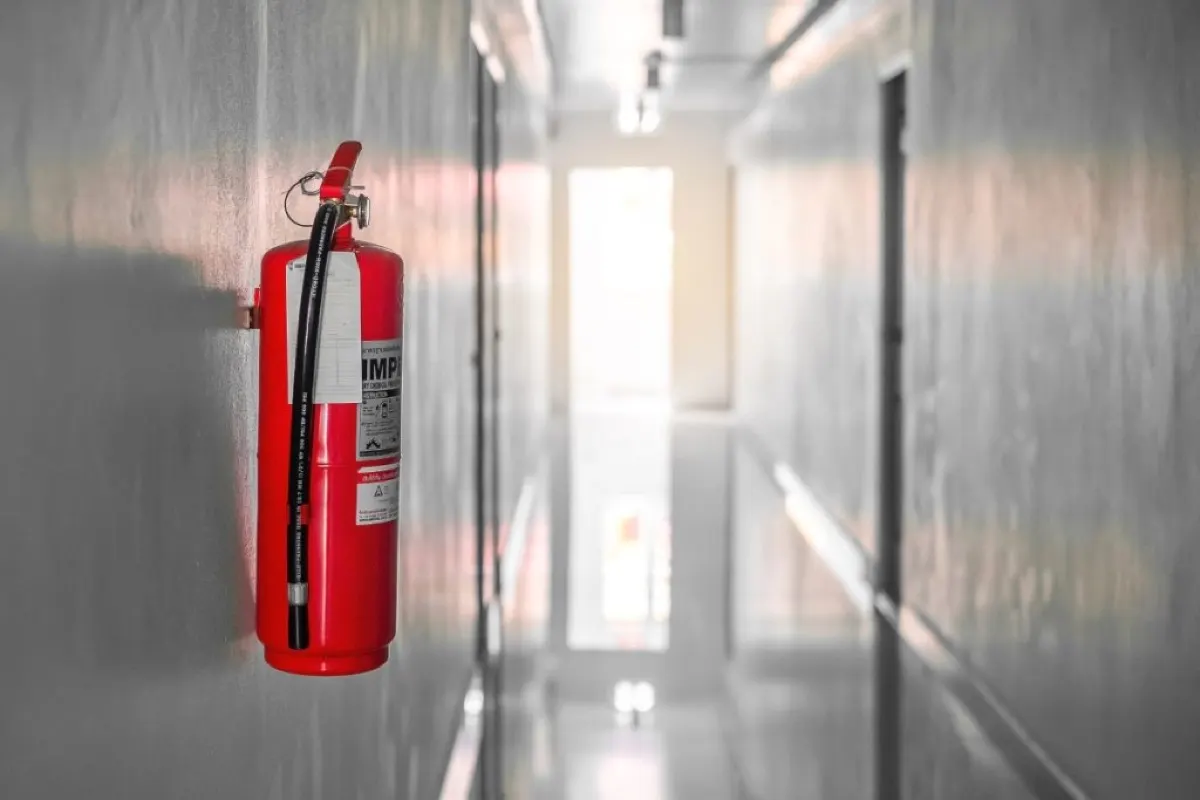
To stop fires from happening with electrical equipment, regular checks are very important. Keeping electrical systems in good shape helps catch problems before they turn into big issues.
Simple steps can make a big difference in safety.
- Watch for Worn or Frayed Wiring
Always check wires for any signs of wear or damage. Worn wires can spark and lead to fires, so finding them early is key. If you see any frayed parts, replace them right away to keep things safe.
- Be Careful with Plug Sockets
Overloaded plug sockets can cause wires to heat up and start fires. Make sure not to plug too many devices into one socket. If you need more power, consider using a power strip with a circuit breaker.
- Look Out for Strange Equipment Behavior
If any equipment feels hot or acts weird, it could be a sign of trouble. Turn it off and unplug it if you notice anything unusual. Having a professional check the equipment can help find the problem before it leads to a fire.
- Keep Appliances Away from Water
Water and electricity do not mix well. Always keep appliances and their wires away from wet areas. This helps reduce the chance of electrical shocks and fires.
How to extinguish an electrical fire?
Here’s a simple guide on how to extinguish an electrical fire:
1. Stay Calm
If you see an electrical fire, just try to stay calm. Panic makes it hard to think and act fast, and staying calm is important in an emergency.
2. Turn Off the Power
If it is safe, turn off the power to the equipment on fire. This stops the electricity and helps keep things safe.
3. Use the Right Extinguisher
Get a CO2 extinguisher or a dry powder extinguisher. These are safe for electrical fires. Don't use water or foam, because they can be very dangerous with electricity.
4. Aim and Squeeze
Stand back from the fire and point the extinguisher at the bottom of the flames. This is where the fire is strongest, so aiming here helps put it out better.
5. Sweep Side to Side
Move the tip from side to side to cover all the flames. This helps spread the extinguisher’s contents evenly, which gives you a better chance to put out the fire completely.
6. Call for Help
If the fire doesn’t go out fast or gets bigger, leave the area and call for help. Get to a safe place and contact emergency services. They have the tools and skills to deal with big fires.
7. Do Not Re-Enter
Stay out of the building until the fire department says it’s safe. Even if the fire seems out, there could still be dangers, so wait for the experts to check things.
Guarding Your Space from Electrical Fires
Knowing which fire extinguishers to use for electrical fires is important for safety. CO2 extinguishers and dry powder extinguishers are the safest choices because they do not conduct electricity and can put out flames quickly.
Maintaining your electrical equipment, doing regular safety checks, and knowing what to do in an emergency are equally important. Taking these steps helps keep you and others safe. Don’t wait for a fire to happen, check your fire safety equipment today and make sure you have the right tools ready. We are here to support you with expert advice and solutions for all your electrical needs.