
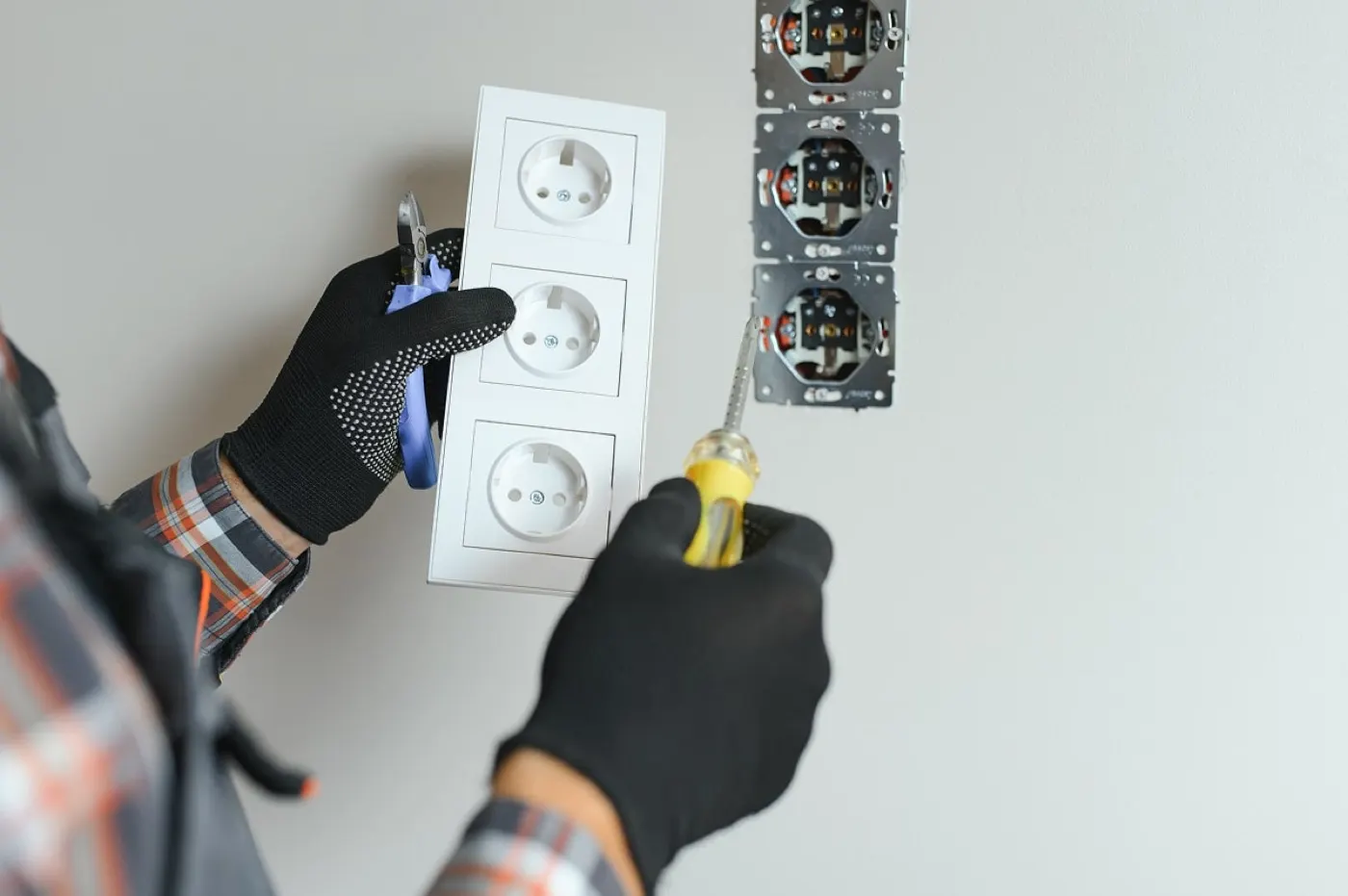
When was the last time you thought about your home’s electrical system?
Probably not until something stopped working. We flip switches, plug in chargers, and use appliances every day without thinking twice, until the lights start flickering, an outlet dies, or the fuse box trips for the third time in a week. That’s when we realise just how much we rely on electricity.
Electrical problems aren’t just a nuisance, they can be serious. Faulty wiring, overloaded circuits, and dodgy outlets don’t just cause frustration, they can lead to fires or electric shocks. Ignoring small issues now can turn into bigger, more expensive problems later. The good news? A lot of these problems have simple solutions if you catch them early.
After working in homes for over 15 years, we’ve seen it all. Some electrical issues are quick fixes, while others need a professional. Glow Electric has helped homeowners tackle some of the most common electrical problems. Knowing what to look out for and how to handle it safely, can save you time, money, and stress.
Here are five common electrical problems in homes and how to fix them.
1. Flickering Lights
Flickering lights might seem like a minor issue, but they can signal deeper electrical problems. While a single flicker here and there isn’t necessarily a cause for concern, consistent flickering could mean trouble.
Causes of Flickering Lights
One of the most common reasons for flickering lights is a loose or faulty bulb. Over time, bulbs can loosen due to vibrations or temperature changes. If the bulb isn’t screwed in properly, electricity won’t flow consistently, causing flickering. Another possible cause is a faulty light switch. If the switch is worn out or has loose wiring, it can interrupt the electrical flow.
Voltage fluctuations can also lead to flickering. If your lights dim or flicker when large appliances, such as washing machines or refrigerators, turn on, it may indicate unstable voltage levels. This can happen if there’s an issue with the wiring or if the electrical load in your home is too high.
How to Fix It Safely
Start with the simplest fix, tighten or replace the bulb. If the problem persists, test the light switch by gently wiggling it while the light is on. If flickering corresponds with movement, the switch may need replacing.
If multiple lights in your home flicker, especially when appliances turn on, it’s best to have a professional inspect your wiring and voltage levels. Electrical surges and voltage drops can damage appliances and increase fire risk.
2. Circuit Breakers Tripping Frequently
Circuit breakers protect your home from electrical hazards by shutting off power when they detect a problem. While an occasional trip is normal, frequent tripping suggests an issue that needs attention.
What Causes Circuit Breakers to Trip?
One of the most common causes is circuit overload. Plugging too many devices into the same circuit can exceed its capacity, causing the breaker to trip as a protective measure. Older homes, in particular, may not have enough circuits to handle modern electrical demands.
Another cause is a short circuit, which happens when a live wire touches a neutral wire. This creates a sudden surge of current, which forces the breaker to shut off power. Short circuits are more dangerous than overloads because they can generate sparks and heat, increasing fire risk.
Faulty appliances can also trip a breaker. If a device has internal damage or faulty wiring, it may draw too much current, causing the breaker to shut off power.
How to Fix It Safely
If your breaker keeps tripping, start by unplugging some devices and redistributing them to different circuits. If a particular appliance always causes the breaker to trip, it may need repair or replacement.
If the breaker trips even when nothing is plugged in, a short circuit may be to blame. Resetting the breaker won’t solve the issue, it’s best to call an electrician to inspect the wiring.
Ignoring frequent breaker trips can lead to overheating wires and potential electrical fires. If you’re experiencing ongoing issues, professional help is the safest option.
3. Dead or Non-Functional Outlets
A dead outlet can be frustrating, especially when you rely on it for daily activities. While some outlets stop working due to simple issues like a tripped breaker, others may indicate more serious wiring problems.
Why Do Outlets Stop Working?
A common reason is a tripped circuit breaker. If too much current flows through a circuit, the breaker will shut off power to prevent overheating. Older homes with fuse boxes may experience the same issue due to a blown fuse.
Loose or damaged wiring can also cause outlets to stop working. Over time, connections can weaken due to age, improper installation, or even rodents chewing through wiring.
Another possible cause is a burnt-out outlet. Outlets can overheat due to overuse, especially when high-power appliances like kettles or microwaves are plugged in. This can cause internal damage and make the outlet non-functional.
How to Fix It Safely
Start by checking your electrical panel to see if any breakers have tripped. Resetting a tripped breaker may restore power to the outlet. If you have a fuse box, look for any blown fuses and replace them if necessary.
If the breaker hasn’t tripped and the outlet is still dead, avoid using it until a professional inspects the wiring. Loose or damaged connections behind the outlet can pose a serious fire hazard.
4. Warm or Hot Electrical Outlets
An outlet that feels warm or hot to the touch should never be ignored. Heat buildup in electrical outlets is a major warning sign of a potential fire hazard.
What Causes Overheating Outlets?
One reason is overloading the outlet. Plugging too many high-wattage devices into one outlet can cause excessive current flow, generating heat.
Worn-out outlets are another common culprit. Over time, outlets degrade, and the internal metal contacts can loosen. This increases resistance, which generates heat and can lead to melted wiring.
Faulty wiring can also cause overheating. If wires are loose or frayed, they may create increased resistance, leading to excess heat.
How to Fix It Safely
If you notice an outlet feels warm, unplug all devices immediately and stop using it. Reducing the load on an outlet can sometimes resolve the issue, but persistent heat is a sign of a more serious problem.
Replacing an old or damaged outlet is essential. However, if you’re unsure about the condition of the wiring, call a professional to inspect it. Electrical fires caused by overheating outlets are preventable with proper maintenance and repairs.
5. Frequent Electrical Surges
Power surges can damage appliances, shorten their lifespan, and even pose a fire risk. If your home experiences frequent surges, it’s important to find out why.
What Causes Electrical Surges?
One common cause is faulty appliances. If a device has an internal wiring issue, it can create a surge when plugged in.
Wiring problems, such as frayed or exposed wires, can also lead to power fluctuations.
External factors, like lightning strikes or problems with the power grid, can send a sudden spike of electricity through your home’s wiring.
How to Fix It Safely
If surges occur when a particular device is plugged in, that appliance may need repair or replacement. Using surge protectors can help shield your appliances from minor surges, but they won’t fix underlying wiring problems.
If your home experiences regular power surges, it’s best to have an electrician inspect the wiring and electrical panel. Whole-home surge protection can also be installed to protect your appliances from unexpected voltage spikes.
Buzzing or Humming Sounds from Electrical Panels or Outlets
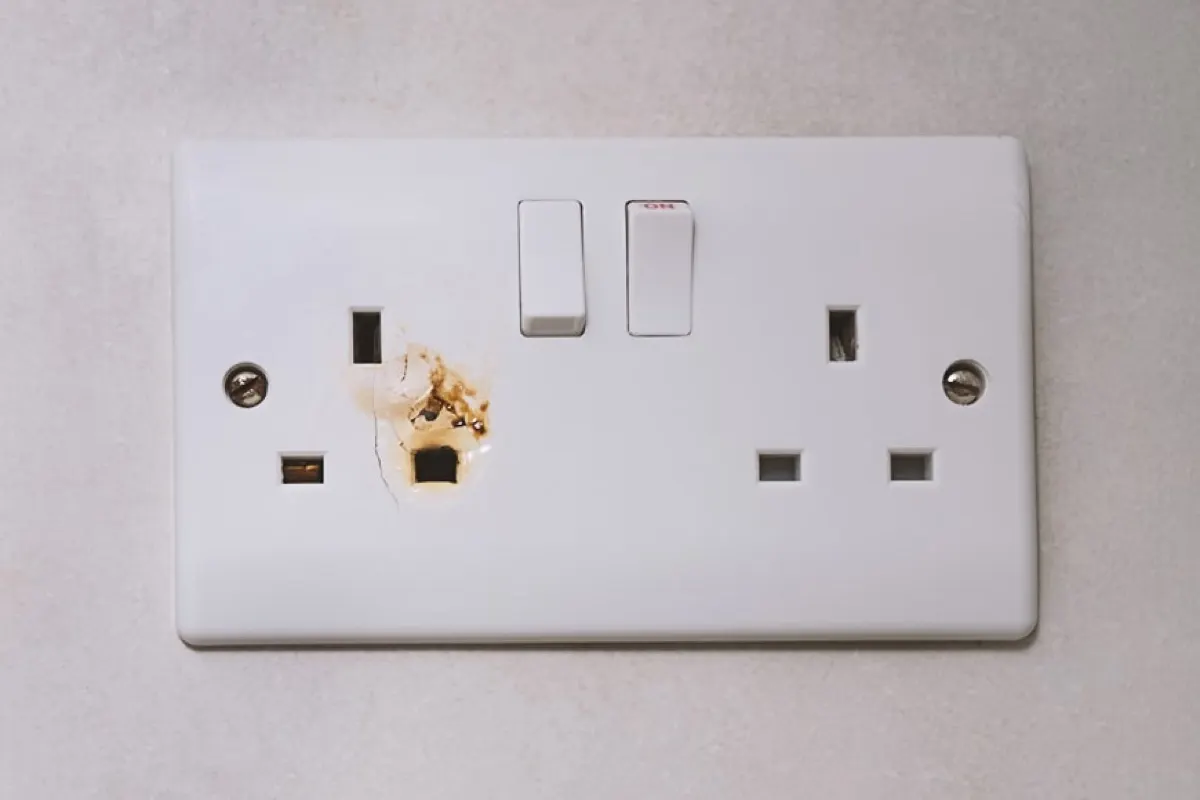
Hearing a low buzzing or humming sound coming from your fuse box, outlets, or light switches isn’t normal, it’s a sign that something isn’t right. While some appliances naturally make noise when in use, your electrical system should operate quietly. A persistent buzzing sound could mean loose wiring, an overloaded circuit, or even a failing breaker.
Why Does This Happen?
One common cause is a loosely connected wire, which can cause electricity to jump (or "arc"), creating that buzzing noise. Over time, this can lead to overheating and increase the risk of an electrical fire. Another possibility is a worn-out circuit breaker struggling to handle the electrical load. If you notice the noise coming from your electrical panel, it might be a sign that a breaker is about to fail.
How to Fix It Safely
If the buzzing is coming from an appliance, try unplugging it and using a different outlet. If the noise stops, the issue is likely with the appliance itself. However, if the sound is coming from an outlet, switch, or your fuse box, turn off the power and avoid using it until a professional checks it out. Electrical arcing and faulty breakers are fire hazards, so don’t ignore them.
If you notice buzzing sounds along with flickering lights or warm outlets, it’s a clear sign that your system needs attention. When in doubt, always get it checked by a qualified electrician.
Frequent Light Bulb Burnouts
If you find yourself replacing light bulbs more often than you should, something else is going on. Light bulbs should last months, if not years, depending on their type and usage. When they keep burning out too quickly, it’s usually a sign of an underlying electrical issue rather than a faulty bulb.
Why Does This Happen?
One of the most common causes is excessive voltage. If your home’s electrical supply is delivering more power than needed, it can shorten the lifespan of your bulbs. You might also notice that bulbs seem unusually bright before they burn out, this is a sign they’re receiving too much electricity.
Loose connections can also be to blame. If a bulb isn’t screwed in properly or the wiring in the light fixture is faulty, it can cause inconsistent power flow, which damages the bulb over time. Another culprit? Cheap or low-quality bulbs. While they might save money upfront, they tend to have a shorter lifespan and are more prone to early failure.
How to Fix It Safely
Start by making sure the bulb is the correct wattage for your fixture. Overloading a light fixture with a high-wattage bulb can cause overheating, leading to shorter bulb life. If you suspect a loose connection, turn off the power and check that the bulb is screwed in securely. If the issue continues, consider switching to LED bulbs, which last longer and are more energy-efficient.
If multiple light bulbs in your home are burning out faster than they should, it could be a sign of a bigger electrical problem, like voltage fluctuations or poor wiring. In this case, it’s best to have an electrician inspect your system to prevent damage to your fixtures and appliances.
Keep Your Home Safe with Professional Electrical Solutions
Electrical problems aren’t just minor inconveniences, they can be warning signs of bigger issues that put your home and safety at risk. A flickering light, a warm outlet, or a tripping circuit breaker might seem like nothing at first, but ignoring them can lead to power failures, damaged appliances, or even electrical fires. The safest approach is to address these problems early before they turn into costly repairs or serious hazards.
That’s where expert help makes all the difference. With over 15 years of experience, Glow Electric has been keeping homes safe and powered efficiently. If you need a simple repair, an electrical inspection, or a complete rewiring job, our team ensures everything is done right the first time. We specialise in diagnosing and fixing electrical faults, upgrading outdated systems, and providing tailored solutions to keep your home running smoothly.
If something seems off with your electrical system, don’t wait for it to get worse. A quick check today can prevent bigger issues down the line. When it comes to your home’s safety, having a trusted professional on your side is always the best decision.