
How often do you think about the electrical wiring behind your walls?
In older homes, the charm of vintage architecture often comes with outdated electrical systems that may not meet modern safety standards.
Glow Electric makes sure your electrical system is both safe and efficient.
Identifying Outdated Wiring
Many older homes, especially those built before the 1970s, may have wiring systems that are not equipped to handle today's electrical demands.
Signs of outdated wiring include flickering lights, frequently tripped breakers, or discoloured outlets. These issues can pose significant safety risks, including electrical fires. So it's essential to consult a qualified electrician to assess and update your wiring system.
Addressing Insufficient Electrical Capacity
Older homes were not designed to support the multitude of electrical devices we use today. This can lead to overloaded circuits, causing breakers to trip frequently, so it is good to upgrade your electrical panel to increase capacity.
Additional circuits can also help to reduce the risk of overload. A professional electrician will make sure that your home's electrical system meets current standards and can handle your energy needs safely.
Upgrading Old Fuse Boxes
Many older homes still have fuse boxes instead of modern circuit breaker panels. Fuse boxes can be less reliable and may not handle the electrical load of contemporary appliances, leading to safety concerns.
Upgrading to a modern circuit breaker panel enhances safety and provides a more reliable electrical system. A qualified electrician can assess your current setup and perform the necessary upgrades to ensure compliance with current safety standards.
Preventing Frequent Electrical Surges
Frequent electrical surges can damage appliances and reduce their lifespan. These surges are often caused by faulty wiring or outdated electrical panels. So, it's essential to have your home's wiring inspected and updated as necessary. Installing surge protectors can also safeguard your appliances from unexpected surges. Regular maintenance and timely upgrades by professional electricians can help maintain a stable electrical system.
Enhancing Electrical Safety
Ensuring electrical safety in older homes involves regular inspections, timely upgrades, and adherence to current safety standards.
Installing devices like Residual Current Devices (RCDs) can provide additional protection against electrical shocks.
Educating household members about safe electrical practices and being proactive in addressing electrical issues can significantly reduce the risk of accidents. Partnering with experienced electricians, like our team guarantees that your home's electrical system is both safe and efficient.
Glow Electric specialises in identifying and resolving electrical issues common in older homes. Our team of skilled electricians is dedicated to providing tailored solutions that preserve the charm of your home while ensuring modern safety standards are met.
Even if you're experiencing specific electrical issues or seeking a comprehensive assessment, we're here to help you every step of the way.
How to Identify Outdated Wiring in Older Homes
Identifying outdated wiring in older homes is crucial for ensuring the safety and efficiency of your electrical system. Homes constructed before the 1970s often feature wiring that may not meet current safety standards or handle modern electrical demands. Here are some common indicators of outdated wiring:
1. Frequent Circuit Breaker Trips or Blown Fuses
If your circuit breakers trip or fuses blow regularly, it could signify overloaded circuits or faulty wiring. This issue arises when the existing wiring cannot support the electrical load of contemporary appliances and devices. Regular disruptions in your electrical supply are a clear indication that your system requires professional assessment.
2. Flickering or Dimming Lights
Lights that flicker or dim unexpectedly may indicate loose wiring connections, outdated fixtures, or overloaded circuits. These symptoms suggest that the wiring is struggling to maintain a consistent electrical current, which can pose safety hazards if left unaddressed.
3. Discoloured or Scorched Outlets and Switches
Outlets or switches that exhibit blackening or discolouration are clear indicators of overheating. This condition often results from outdated or faulty wiring unable to handle the electrical load, leading to potential fire hazards. An immediate wiring upgrade and replacement of damaged components are essential to prevent further deterioration and reduce the risk of electrical faults or fires.
4. Buzzing or Humming Noises
Audible buzzing or humming sounds emanating from electrical fixtures suggest loose connections or faulty components. These noises occur when electrical currents jump gaps in connections, which can lead to overheating and potential fires. Such issues necessitate prompt attention from a qualified electrician.
5. Presence of Old Wiring Materials
Homes over 20 years old may have outdated wiring that doesn't meet current safety standards. Older wiring materials degrade over time, compromising electrical integrity and safety. A professional wiring upgrade ensures compliance with modern regulations and enhances the overall safety and efficiency of your home's electrical system.
Recognising these signs is the first step toward ensuring your home's electrical safety. If you observe any of these indicators, it's imperative to consult a qualified electrician.
Glow Electric can assess and update outdated wiring systems, ensuring your home meets current safety standards and efficiently supports your electrical needs.
How to Address Insufficient Electrical Capacity in Older Homes
Older homes have a lot of character, but their electrical systems were not built for today’s energy demands. Decades ago, homes only needed to power a few appliances—a fridge, a stove, a couple of lights, and maybe a television.
Fast forward to today, and we’re plugging in computers, smart devices, multiple kitchen appliances, high-energy entertainment systems, and even electric vehicle chargers. All of this puts immense strain on an outdated electrical system, often resulting in frequent tripped breakers, flickering lights, or even overheated wiring.
Why Older Homes Struggle with Electrical Load
Most homes built before the 1980s were designed to handle around 60 to 100 amps of electrical load. Most homes in Northern Ireland are still on a 60 to 100 amp single-phase supply, and that is normally adequate. The real problem in older homes is usually an old fuse board with too few circuits and no RCD protection, not the size of the supply. If an older home’s electrical panel hasn’t been upgraded, it simply won’t be able to handle the power demand, causing frequent overloads and potential fire hazards.
Signs that your home lacks sufficient electrical capacity include:
- Circuit breakers tripping often, even when using normal household appliances.
- Lights flickering when larger appliances like washing machines or microwaves are turned on.
- Outlets that feel warm to the touch or produce a burning smell.
- A reliance on multiple extension cords or power strips due to a lack of outlets.
These warning signs indicate that your home’s electrical system needs an upgrade before it becomes a bigger safety risk.
Upgrading Your Electrical Panel
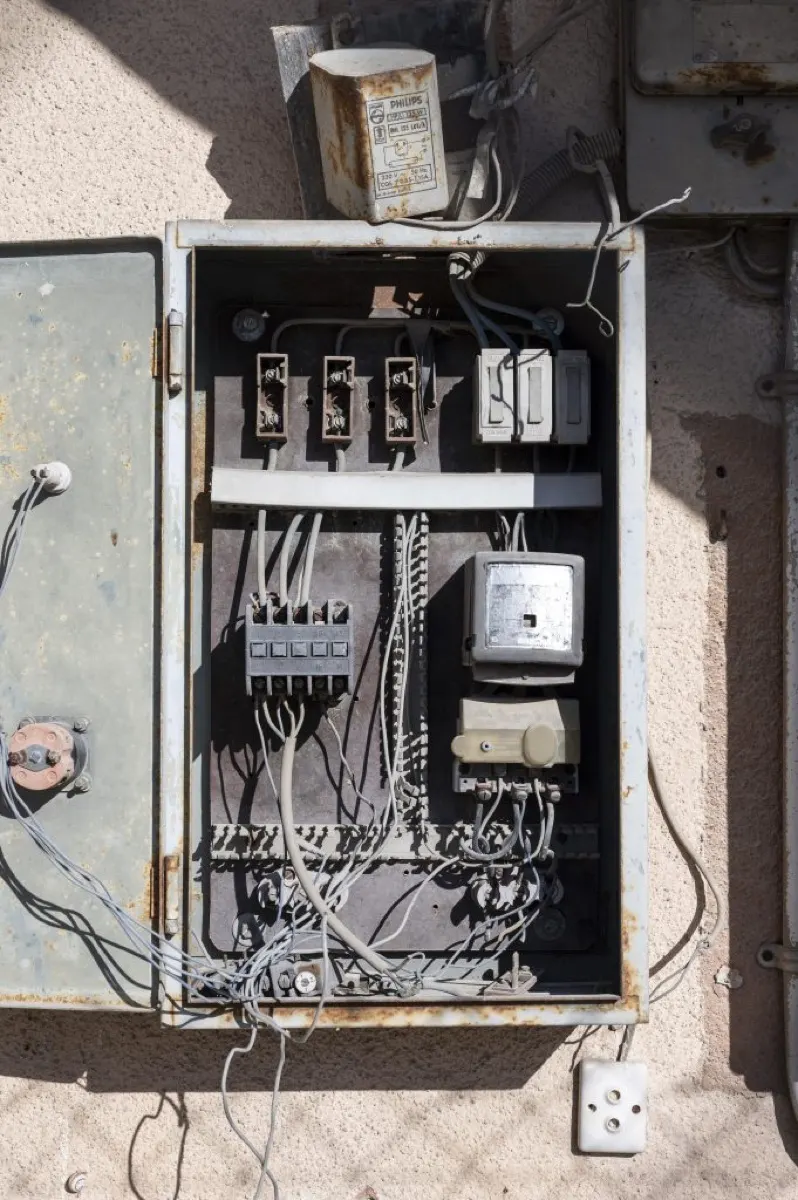
One of the most effective ways to address electrical capacity issues is by upgrading your electrical panel. An electrical panel acts as the heart of your home’s electrical system, regulating power distribution and protecting circuits from overloading. If your panel is outdated, it won’t be able to handle modern energy demands.
Upgrading to a modern consumer unit with properly rated circuits and RCD protection ensures your home can support all your appliances and devices without tripping breakers or overheating wiring. If you plan to add high-power features like electric vehicle chargers, solar panels, or new kitchen appliances, a panel upgrade is essential for safety and performance.
How to Fix Faulty Outlets and Switches in Older Homes
Faulty outlets and switches are common in older homes due to wear and tear over time. Signs include outlets that don't work, switches that are hot to the touch, or plugs that fall out easily.
These issues can indicate underlying problems such as loose wiring or internal damage. It's important to have a professional electrician inspect and replace any faulty components to prevent potential hazards like electrical shocks or fires.
How to Upgrade Old Fuse Boxes in Older Homes
Many older homes still have fuse boxes instead of modern circuit breaker panels. Fuse boxes can be less reliable and may not handle the electrical load of contemporary appliances, leading to safety concerns.
Upgrade to a modern circuit breaker panel enhances safety and provides a more reliable electrical system. A qualified electrician can assess your current setup and perform the necessary upgrades to ensure compliance with current safety standards.
How to Prevent Frequent Electrical Surges in Older Homes
Frequent electrical surges can damage appliances and reduce their lifespan. In older homes, these surges are often caused by faulty wiring or outdated electrical panels.
To prevent surges, it's essential to have your home's wiring inspected and updated as necessary. Installing surge protectors can also safeguard your appliances from unexpected surges. Regular maintenance and timely upgrades by professional electricians can help maintain a stable electrical system.
How to Deal with Poor Earthing in Older Homes
Replace every "grounding" in this paragraph with "earthing" and "grounding rods" with "an earth rod" (e.g. "...a professional electrician can install an earth rod and upgrade the earthing and bonding..."). A lack of grounding can increase the risk of electrical shocks and damage to appliances. To address this, a professional electrician can install grounding rods and update your electrical system to include proper grounding, enhancing the overall safety of your home.
How to Resolve Flickering or Dimming Lights in Older Homes
Flickering or dimming lights can be more than just a nuisance; they may indicate loose connections, outdated wiring, or issues with the electrical panel. These problems can lead to more serious hazards if left unaddressed.
Having a professional electrician inspect your electrical system can identify the root cause of the issue and provide the necessary repairs to ensure consistent and safe lighting throughout your home.
How to Enhance Electrical Safety in Older Homes
How safe is the electrical system in your home?
If you live in an older property, chances are your wiring, outlets, and fuse box may not meet modern safety standards. While older homes have character and charm, they weren’t built with today’s electrical demands in mind.
That’s why electrical safety is crucial, not only for protecting your property but also for keeping your family safe from potential hazards like electric shocks, fires, and power failures.
Glow Electric specialises in upgrading and maintaining electrical systems in older homes. Our experienced electricians can assess your home’s wiring, update outdated components, and install safety features to bring your home up to current UK standards. If you’re concerned about flickering lights, outdated fuse boxes, or the safety of your electrical outlets, we have the solutions to keep your home secure and energy-efficient.
If you live in an older home and are concerned about your electrical safety, don’t wait until a problem arises. Contact us for a professional assessment and expert solutions that protect your home and your family.